


Infrastructure projects like roads, highways, railways, pipelines, and transmission corridors all begin with one critical foundation—Land Acquisition and Right of Way (ROW).
But in reality, this is also the stage where most challenges begin.
Delays, disputes, and unexpected cost escalations often trace back to gaps in early-stage planning.
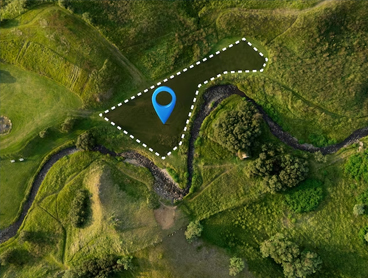
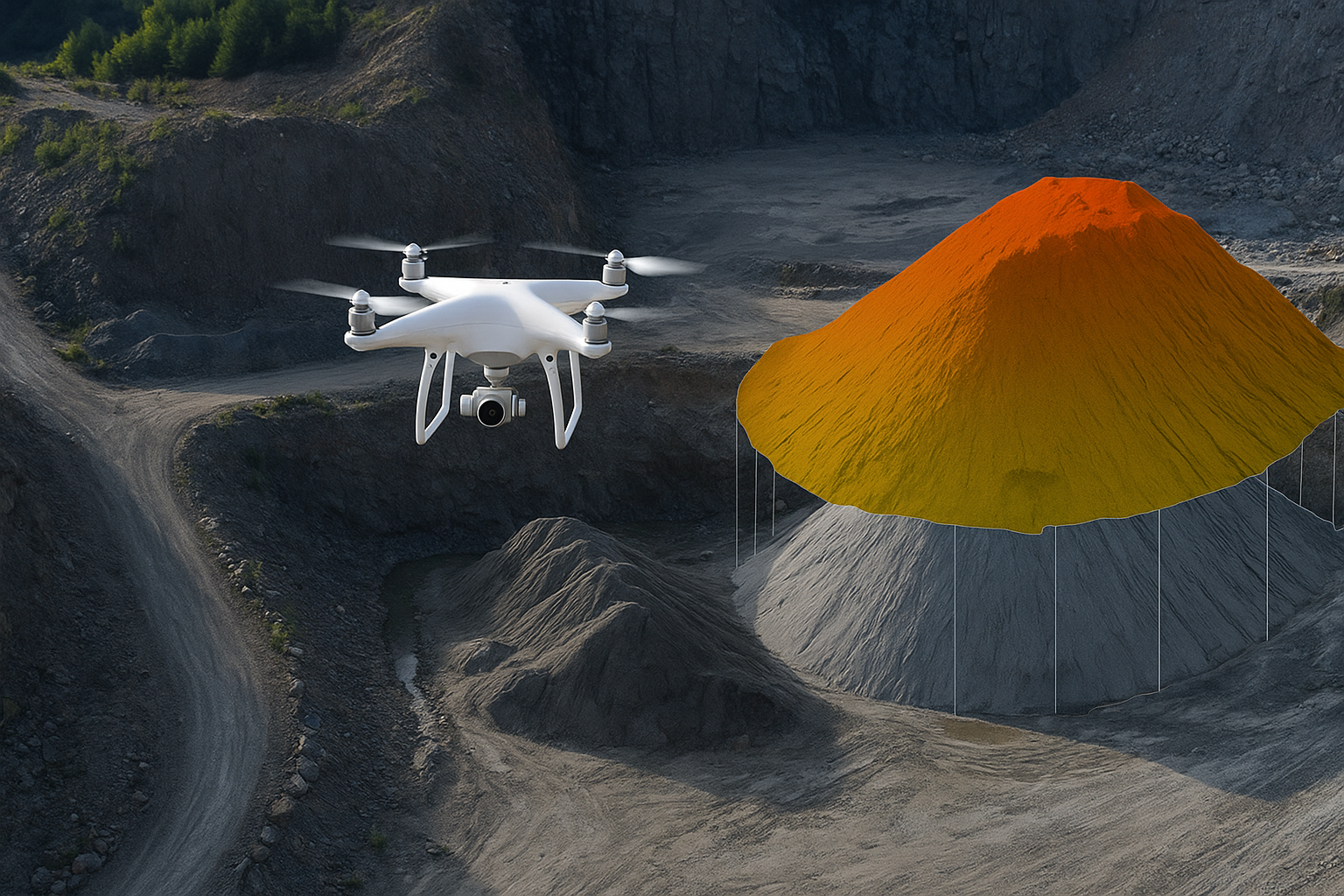
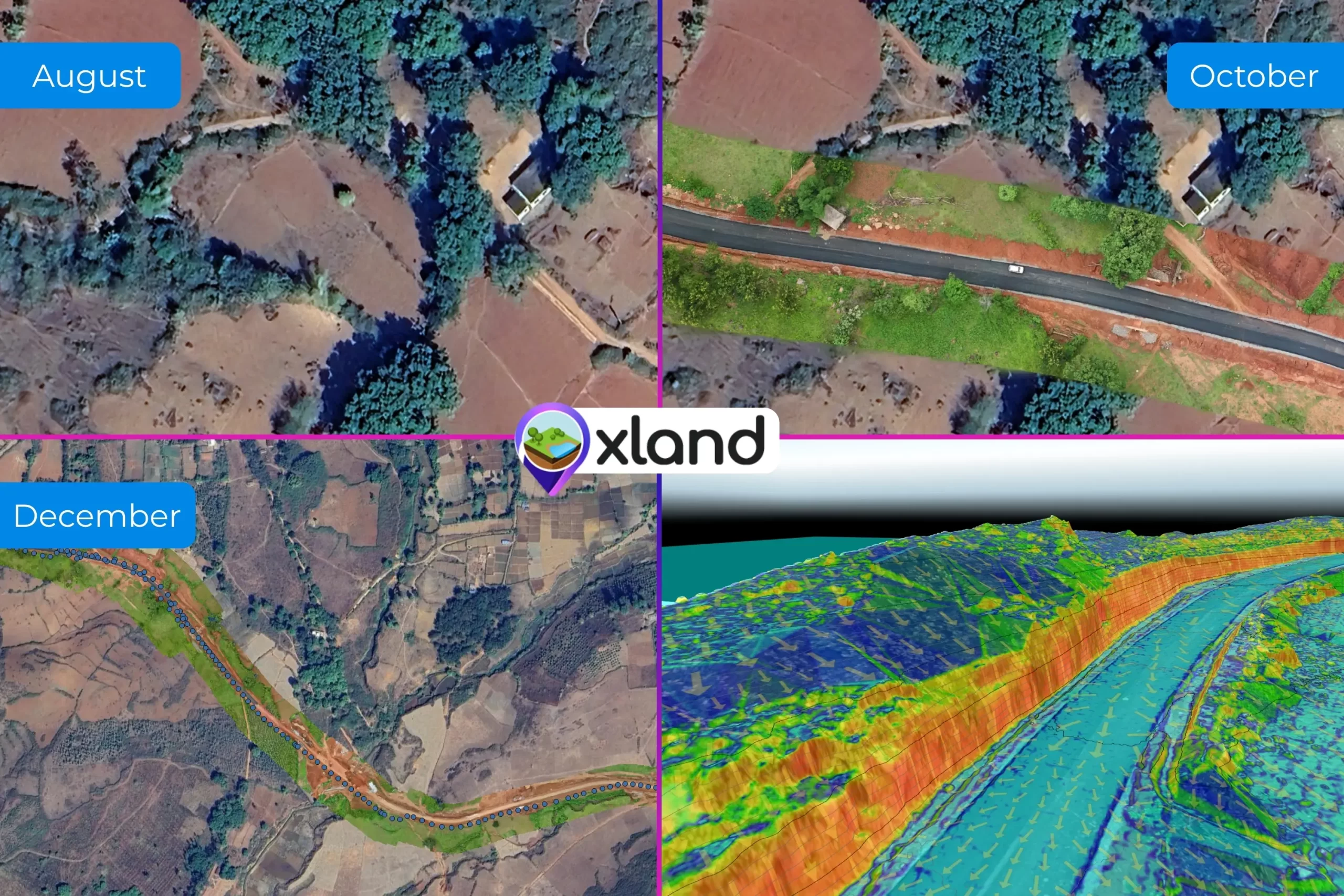
At the same time, land and area change detection through drones is becoming increasingly important—and in many cases, a necessity. Ground realities can change rapidly due to encroachments, land-use changes, or boundary alterations, and without timely visibility, these can turn into major risks.
Now imagine if you could identify risks early, track progress in real time, and make informed decisions from day one.
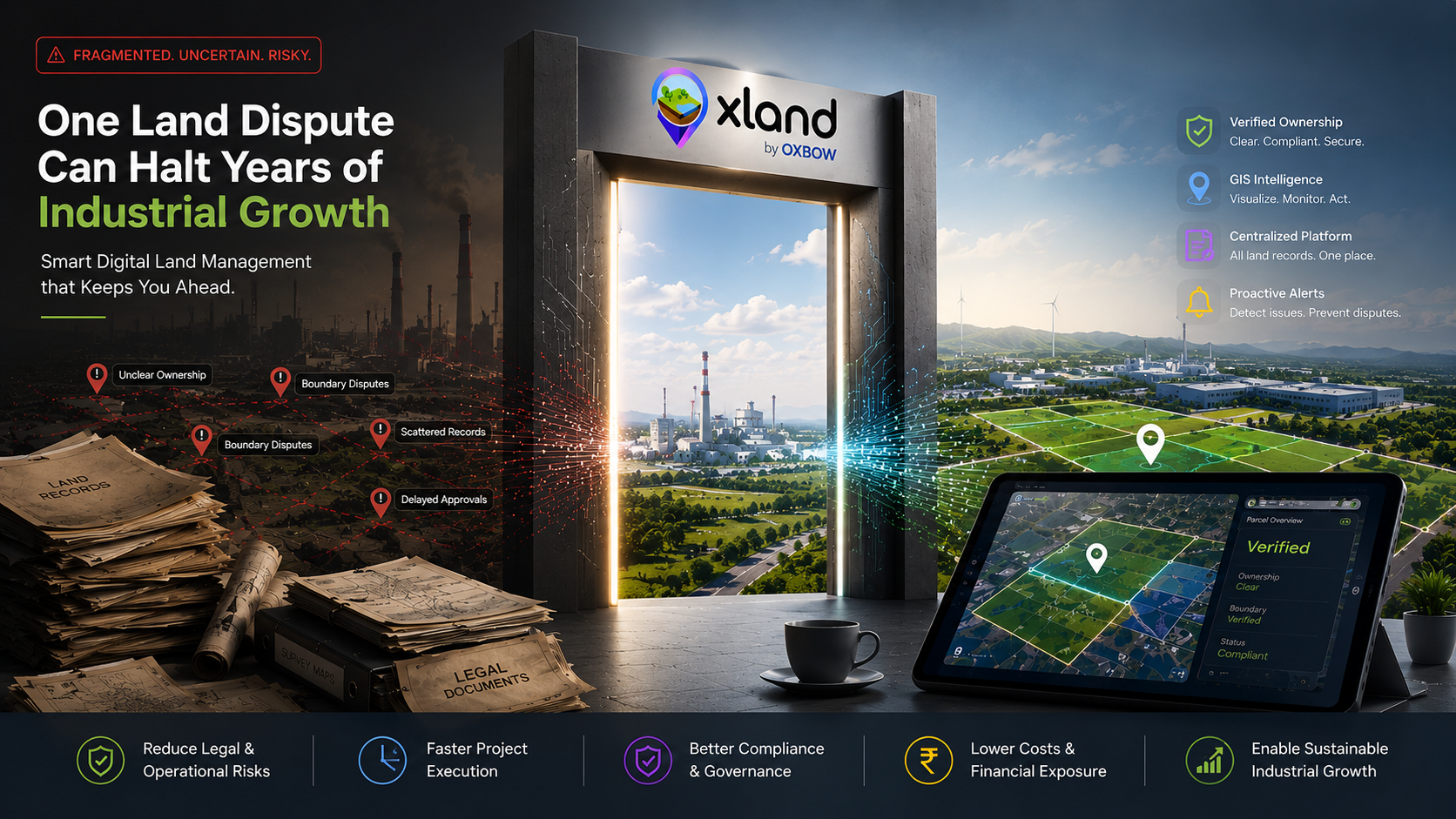
That’s exactly what OxLand – A GeoAI enabled Land Management System by Oxbow Intellect is built for.
Why Early-Stage Planning Matters in Land Acquisition
Starting land acquisition without structured data and proper monitoring is like moving forward without clear visibility.
Linear projects span across large geographies—covering multiple villages, stakeholders, and regulatory layers. Each parcel comes with its own complexity.
Even a small oversight at this stage can lead to:
- Legal disputes
- Delays in compensation
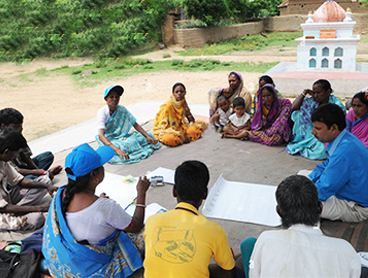
- Resistance from local communities
- Project timeline overruns
The smarter approach is simple: bring clarity, structure, and continuous visibility into the process from the very beginning.
Key Pillars of Successful Land Acquisition & ROW
1. Proper Land Due Diligence
Key focus areas include:
- Ownership details
- Title clarity
- Encumbrances
- Historical transactions
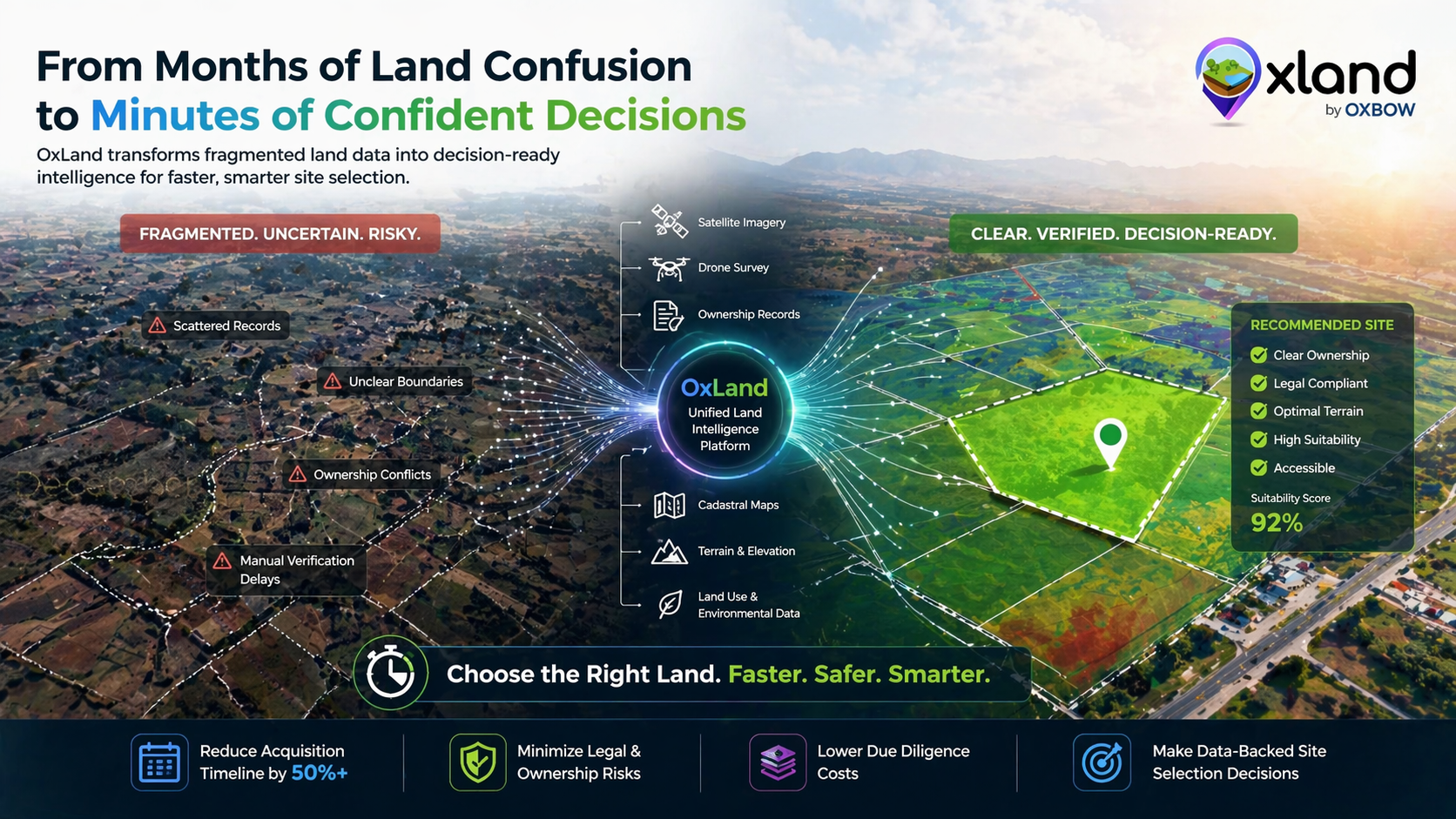
With OxLand, multiple data sources are brought together to ensure reliable land acquisition.
2. Smart Plot Navigation
Key focus areas include:
- Outdated maps
- Boundary mismatches
- Field-level confusion
GIS and drone mapping enable accurate plot identification.
3. Understanding Land Condition
Key focus areas include:
- Terrain
- Land use
- Accessibility
- Environmental sensitivity
OxLand helps evaluate land suitability before acquisition.
4. Seamless Access to Land Records
Key focus areas include:
- Aggregating RoR (Record of Rights)
- Linking cadastral maps
- Digitizing land information
All data is unified into one platform.
5. Identifying Land Disputes
Key focus areas include:
- Ownership conflicts
- Boundary disputes
- Community issues
Avoid high-risk parcels proactively.
6. Tracking Court Cases
Key focus areas include:
- Map land parcels with litigation
- Track case status
- Make informed decisions
7. Managing Project Affected Families (PAF)
Key focus areas include:
- Smooth compensation processes
- Reduced resistance
- Better stakeholder management
8. Social Impact Assessment (SIA)
Key focus areas include:
- Data collection
- Impact mapping
- Reporting
9. Environmental Impact Assessment (EIA)
Key focus areas include:
- Environmental layers
- Risk indicators
- Compliance tracking
Continuous Monitoring: The Real Game Changer
Land acquisition doesn’t stop at planning—it evolves continuously.
With real-time monitoring, teams can:
- Track acquisition progress
- Identify bottlenecks early
- Optimize resource deployment
- Prevent cost escalations
OxLand provides a complete view of the acquisition lifecycle.
Save Millions. Accelerate Development. Reduce Risk.
- Projects move faster
- Costs are controlled
- Risks are minimized
Try OxLand Today
Start smart. Stay ahead. Deliver faster.
Try OxLand today and redefine how land acquisition is done.