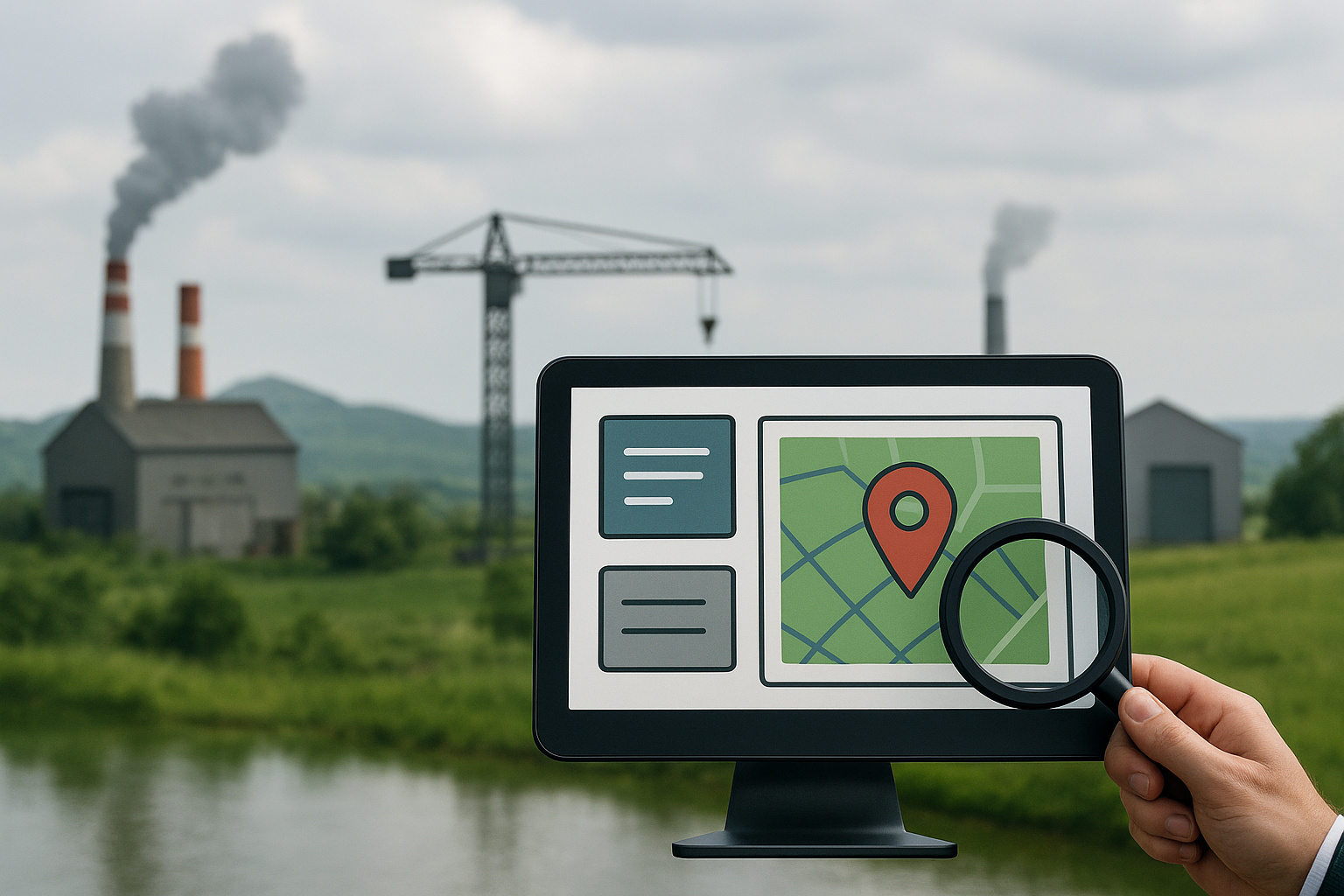



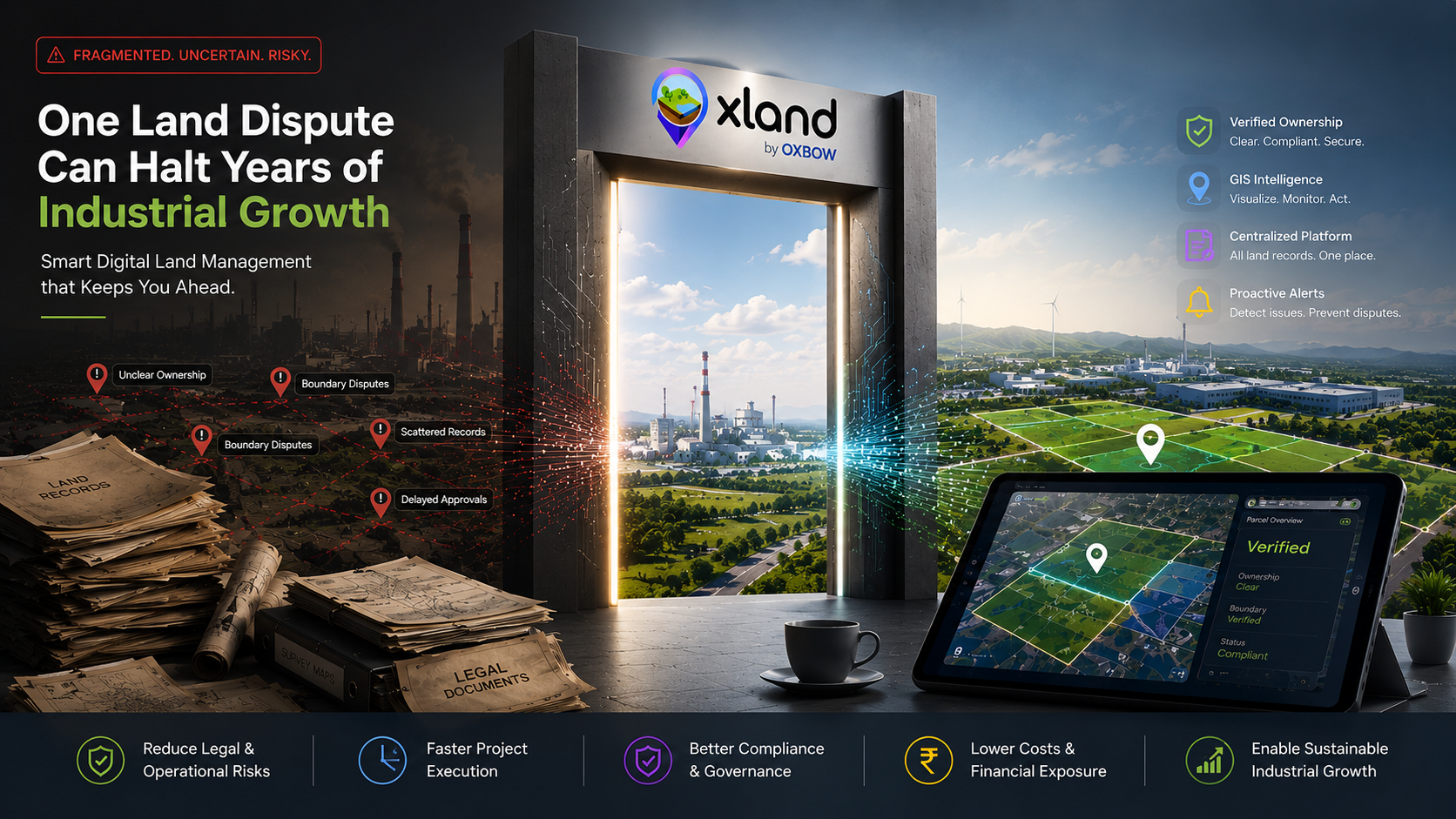
Are You an Industry Owner? Ignoring Land Disputes Today Can Become Your Biggest Headache Tomorrow
In today’s industrial ecosystem, effective Land Management is no longer optional — it has become a critical business necessity.
For industries such as mining, steel, power, infrastructure, manufacturing, logistics, and renewable energy, land is the foundation of every operation. Yet many organizations still rely on fragmented files, spreadsheets, physical records, and disconnected systems for managing land-related information.
What appears manageable today can quickly evolve into a major operational and legal crisis tomorrow.
A missing ownership document, an outdated survey map, an encroachment issue, or a boundary mismatch can suddenly delay projects, block expansion plans, trigger compliance issues, and create financial liabilities worth crores.
And in many cases, one unresolved land dispute becomes enough to halt years of industrial growth.
Why Land Management Is Becoming Increasingly Complex
As industrial projects grow larger and spread across multiple locations, the complexity of Land Management also increases.
Industries today handle:
- Land acquisition records
- Ownership verification
- Boundary demarcation
- Survey and cadastral maps
- Compensation and rehabilitation records
- Government approvals
- Legal documentation
- GIS and geospatial data
Managing all these components manually creates serious risks.
Common Land Management Challenges Faced by Industries
Unclear Ownership Records
Legacy land records are often incomplete, inconsistent, or difficult to verify, especially across old industrial and acquired land parcels.
Boundary & Encroachment Issues
Without GIS-enabled monitoring, industries struggle to identify encroachments and overlapping boundaries on time.
Scattered Land Documents
Land information stored across departments, consultants, and physical archives creates delays in retrieval and decision-making.
Delays in Land Acquisition
Manual workflows slow down acquisition tracking, compensation processing, approvals, and compliance activities.
Lack of Centralized Land Intelligence
Most industries still lack a unified Land Management System that provides real-time visibility into all land assets and their legal status.
Poor Land Management Is a Major Business Risk
Many organizations still treat Land Management as an administrative activity.
In reality, poor Land Management directly affects:
- Project execution timelines
- Industrial expansion
- Compliance readiness
- Operational continuity
- Financial planning
- Legal risk management
A single land-related issue can delay projects worth crores and create long-term operational bottlenecks.
The reality is simple:
Without smart Land Management, industrial growth remains vulnerable.
Traditional Land Management No Longer Works
Modern industries are rapidly adopting digital technologies across manufacturing, logistics, analytics, and operations. However, Land Management in many organizations still remains outdated.
Today’s industrial ecosystem requires:
- Centralized Land Management
- GIS-based land visualization
- Real-time monitoring
- Secure digital records
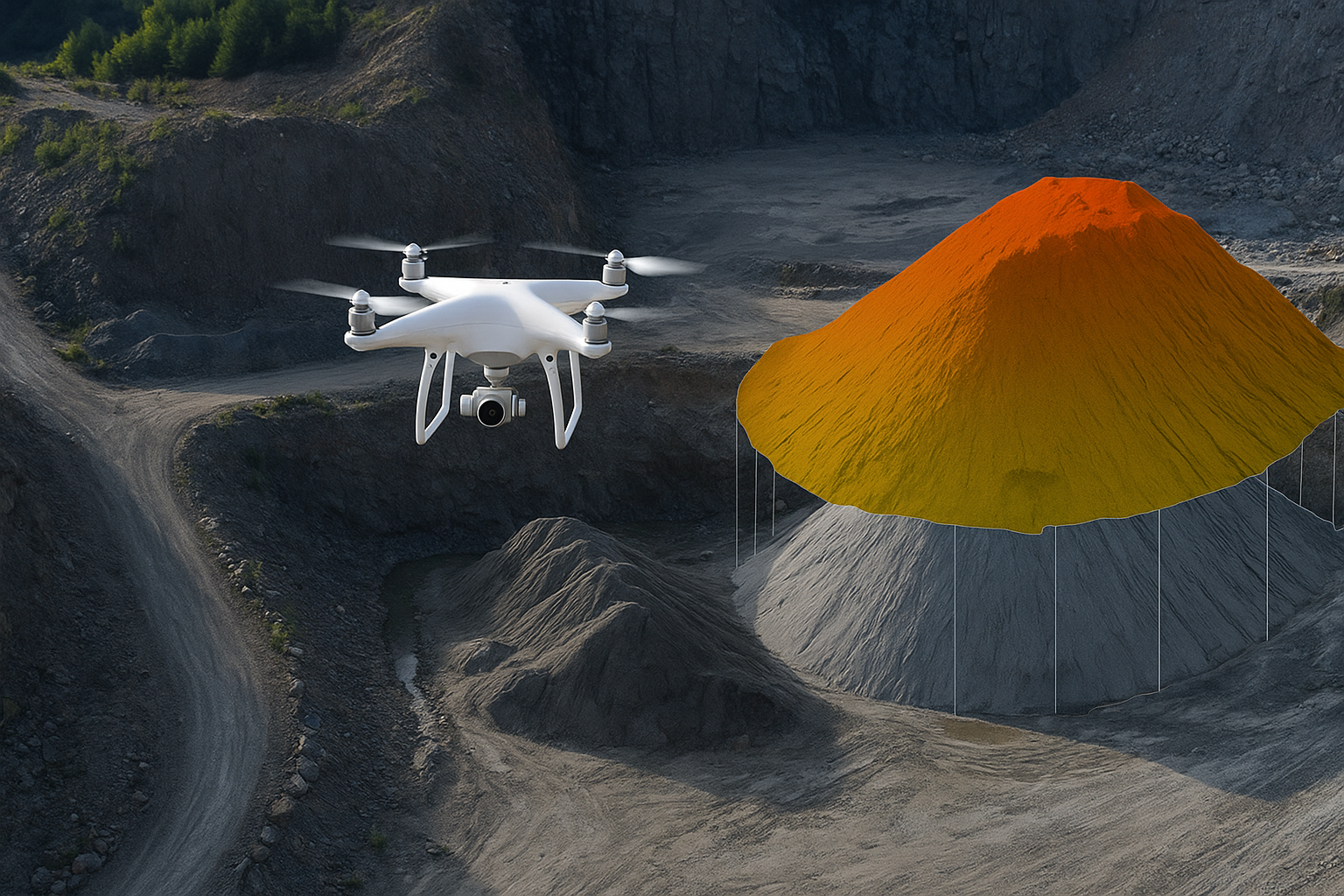
- Drone-based surveys
- Faster access to land intelligence
- Automated workflows
- Better transparency and compliance
This shift toward digital Land Management is no longer optional — it is becoming essential.
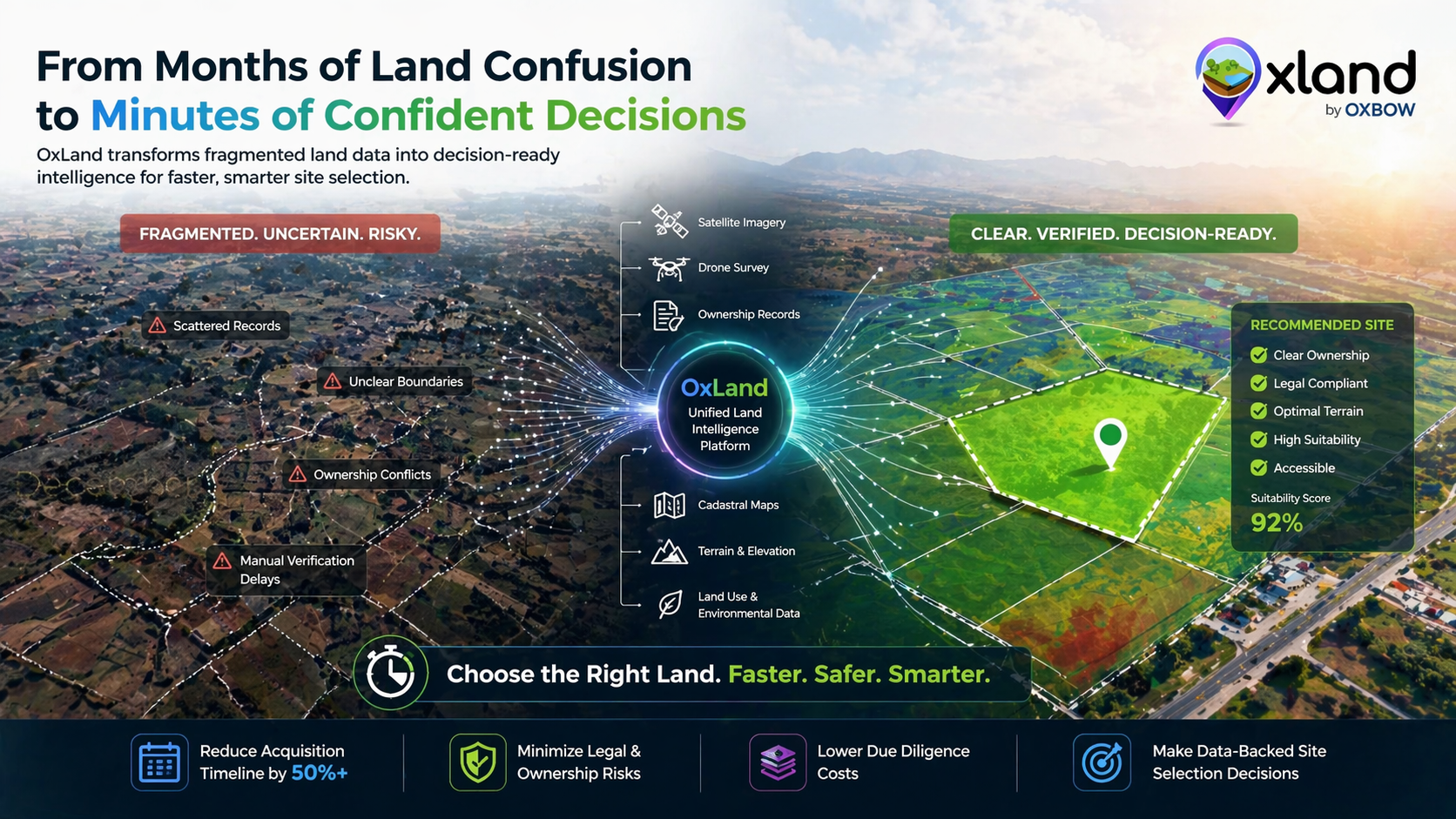
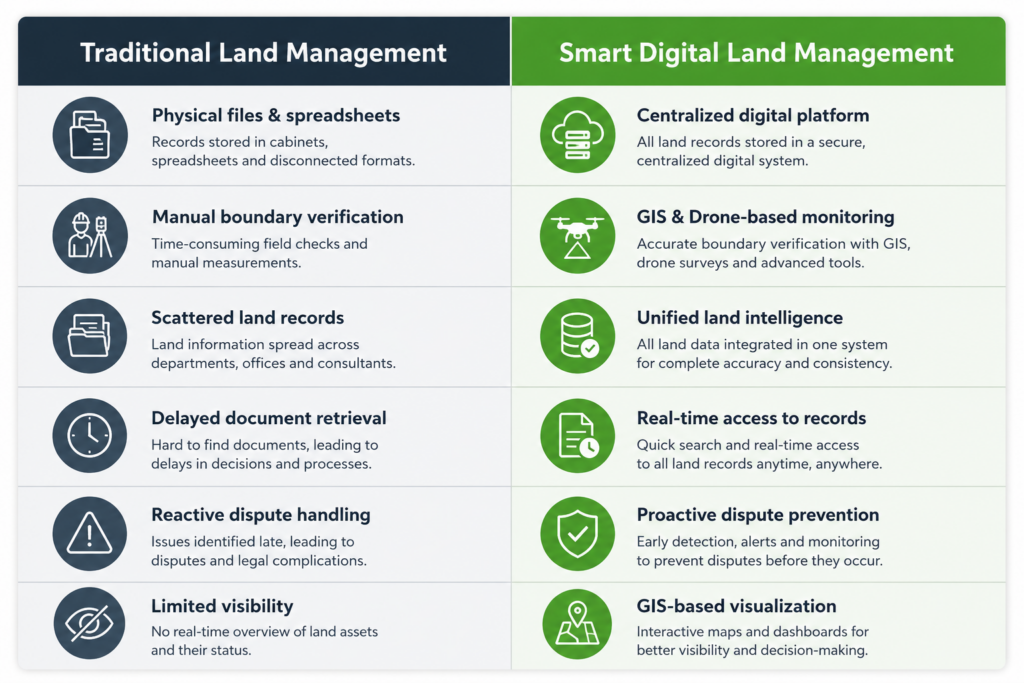
Land Management Challenges vs Smart Digital Approach
How OxLand Supports Modern Land Management
As industries move toward intelligent land governance, OxLand is helping organizations strengthen and modernize their entire Land Management ecosystem.
With advanced GIS and geospatial capabilities, OxLand enables industries to:
- Digitize and centralize land records
- Visualize land parcels through GIS mapping
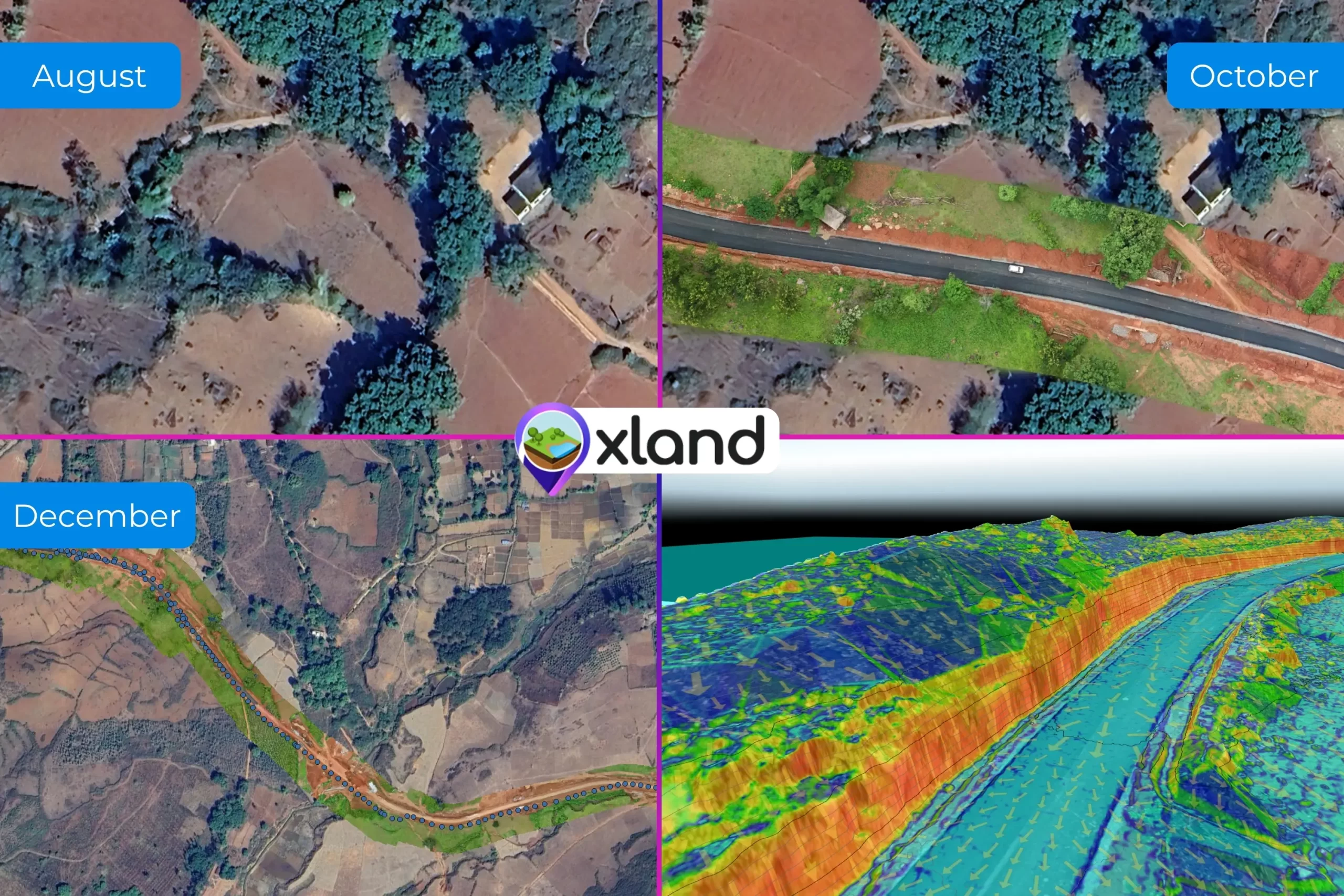
- Integrate drone and DGPS survey data
- Monitor boundaries and encroachments
- Track land acquisition progress
- Improve compliance and transparency
- Enable faster and smarter decision-making
Instead of reactive dispute handling, OxLand promotes proactive and data-driven Land Management.
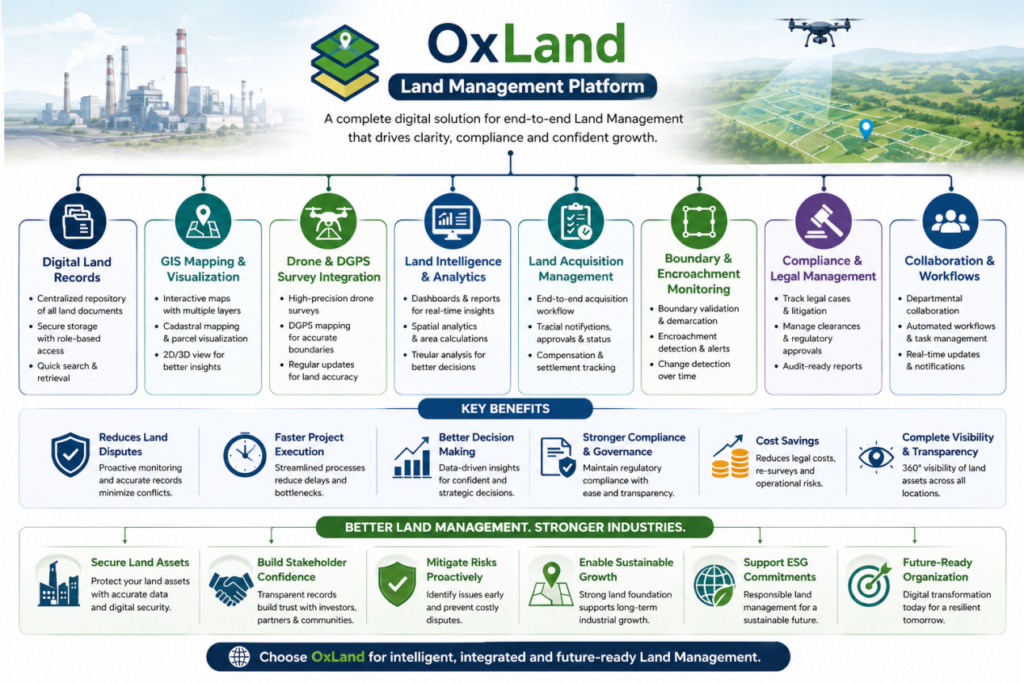
How OxLand Creates Value for Industries
Why Proactive Land Management Matters
The cost of resolving land disputes is always higher than the cost of preventing them.
A proactive Land Management strategy helps industries:
- Reduce legal and operational risks
- Protect investments
- Accelerate project execution
- Improve efficiency
- Strengthen stakeholder confidence
- Support future expansion
Industries can no longer afford uncertainty around land assets.
The future belongs to organizations that treat Land Management as a strategic priority rather than an administrative process.
Conclusion
One land dispute can halt years of industrial growth.
And in most cases, disputes do not arise overnight — they develop gradually due to fragmented records, poor visibility, outdated workflows, and weak Land Management practices.
Industries that continue relying on manual systems and disconnected land information will face increasing operational and legal risks in the future.
The smarter approach is to adopt centralized, GIS-enabled, and technology-driven Land Management systems before challenges become crises.
That is exactly where OxLand helps industries create long-term value — through smarter, secure, and future-ready Land Management.