

Why Industries Need a Land Acquisition Monitoring System

Land is the first requirement for any industry. A factory, a mine, a steel plant, even a simple warehouse—everything starts with land. The irony is, while it looks straightforward on paper, acquiring and managing land is often the hardest part of setting up a project.

Anyone who has tried it knows the pain. Old records that don’t match. Families fighting over ownership. Approvals moving at snail’s pace. Middlemen hiking prices the moment they hear an industry is interested. And even after you get the land, you’re never fully at peace—encroachments, disputes, and legal notices keep coming back.

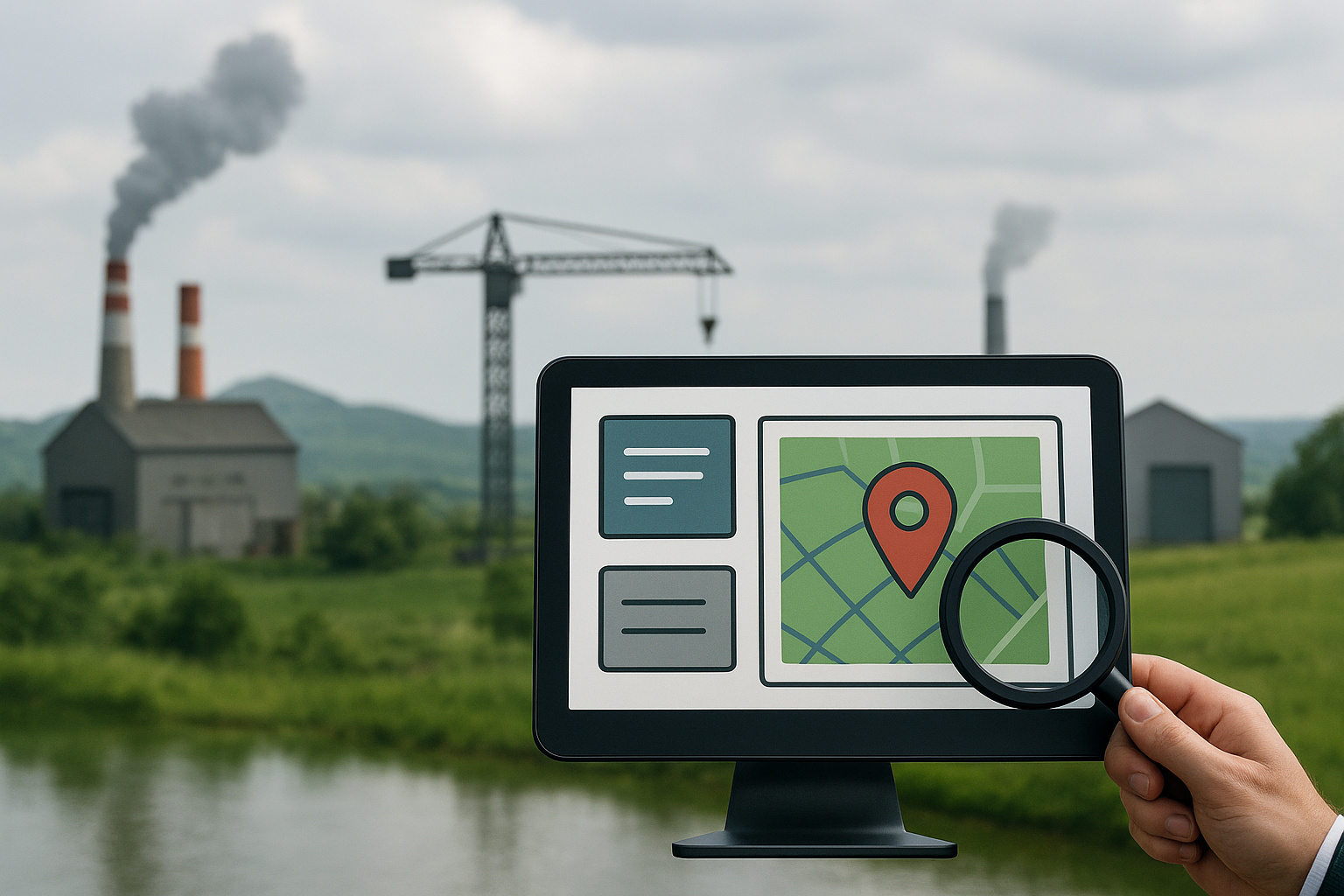
This is exactly why industries now look at Land Acquisition management and monitoring systems. It’s not about fancy technology; it’s about reducing uncertainty.

The Ground Reality

Take a typical case: an industrial project in eastern India. The company plans to acquire 500 acres. It sends a team to verify ownership. The land records are in three different offices. One office has maps, another has khata numbers, the third has updated transfers. By the time all this is stitched together, months are gone.

And just when the deal is about to close, word spreads in the market. Prices shoot up overnight. Some locals file objections. Suddenly, what looked like a three-month process turns into a three-year headache.

This is not rare. It is the norm. Which is why industries desperately need a Land Acquisition Monitoring system.

Why Monitoring is Key

The truth is, buying land is only half the battle. Keeping track of it is just as important. Without monitoring, companies risk:

Losing land to encroachments.

Getting stuck in disputes they never expected.

Paying more than what the land is worth.

Forgetting compliance deadlines.

A monitoring system solves this by giving one place to see everything—ownership history, approvals, maps, usage, payments. No running from one office to another.

How Technology is Helping

Earlier, land was managed with files, site visits, and local knowledge. Today, industries have access to:

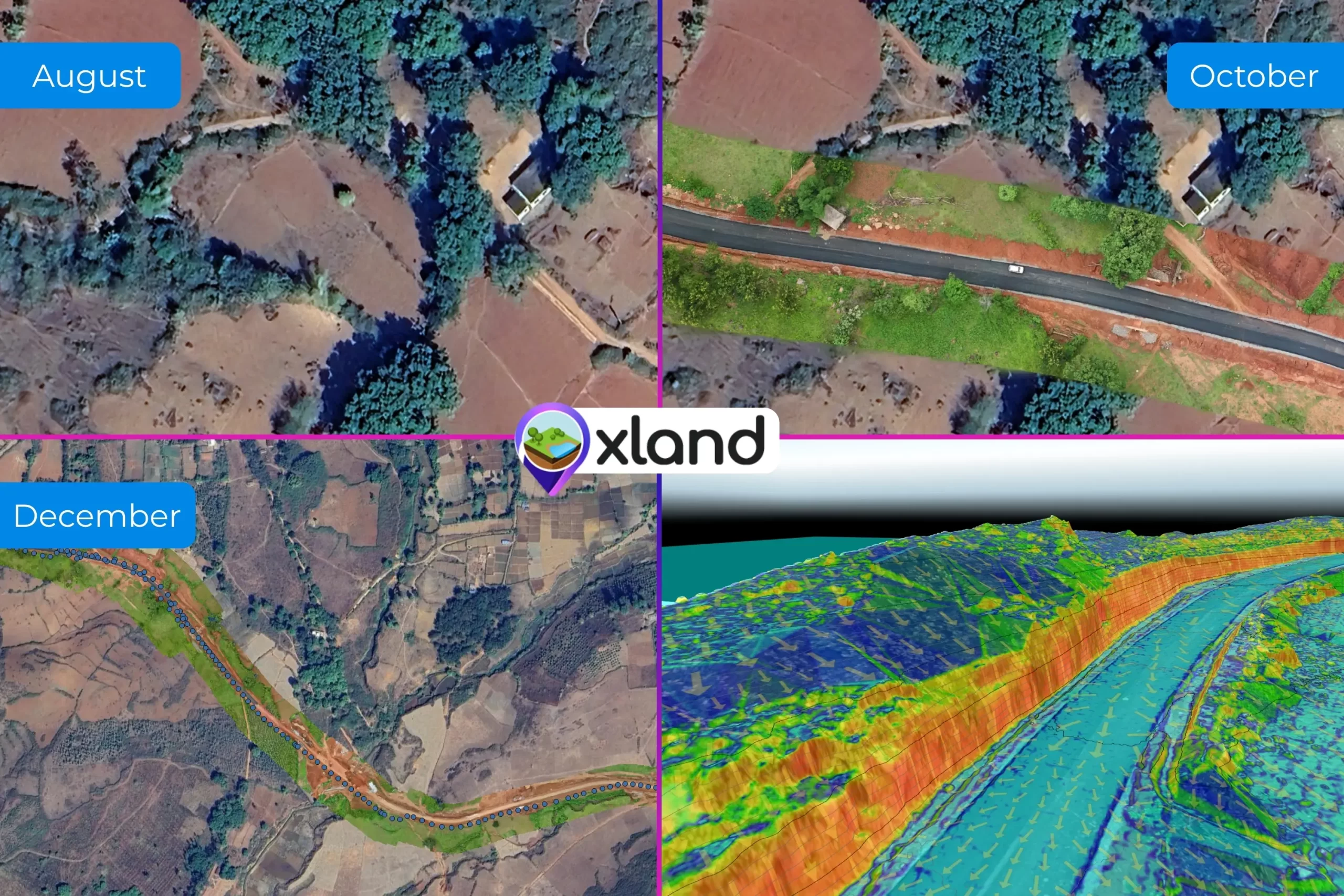
GIS maps that show boundaries clearly.

Drone surveys for accurate data.

Digital records that can’t be “lost” or tampered with.

Alerts that remind companies about compliance and lease renewals.

Dashboards where decision-makers can see the full picture

This isn’t about replacing people—it’s about making their job simpler and faster.

OxLand – A Working Example

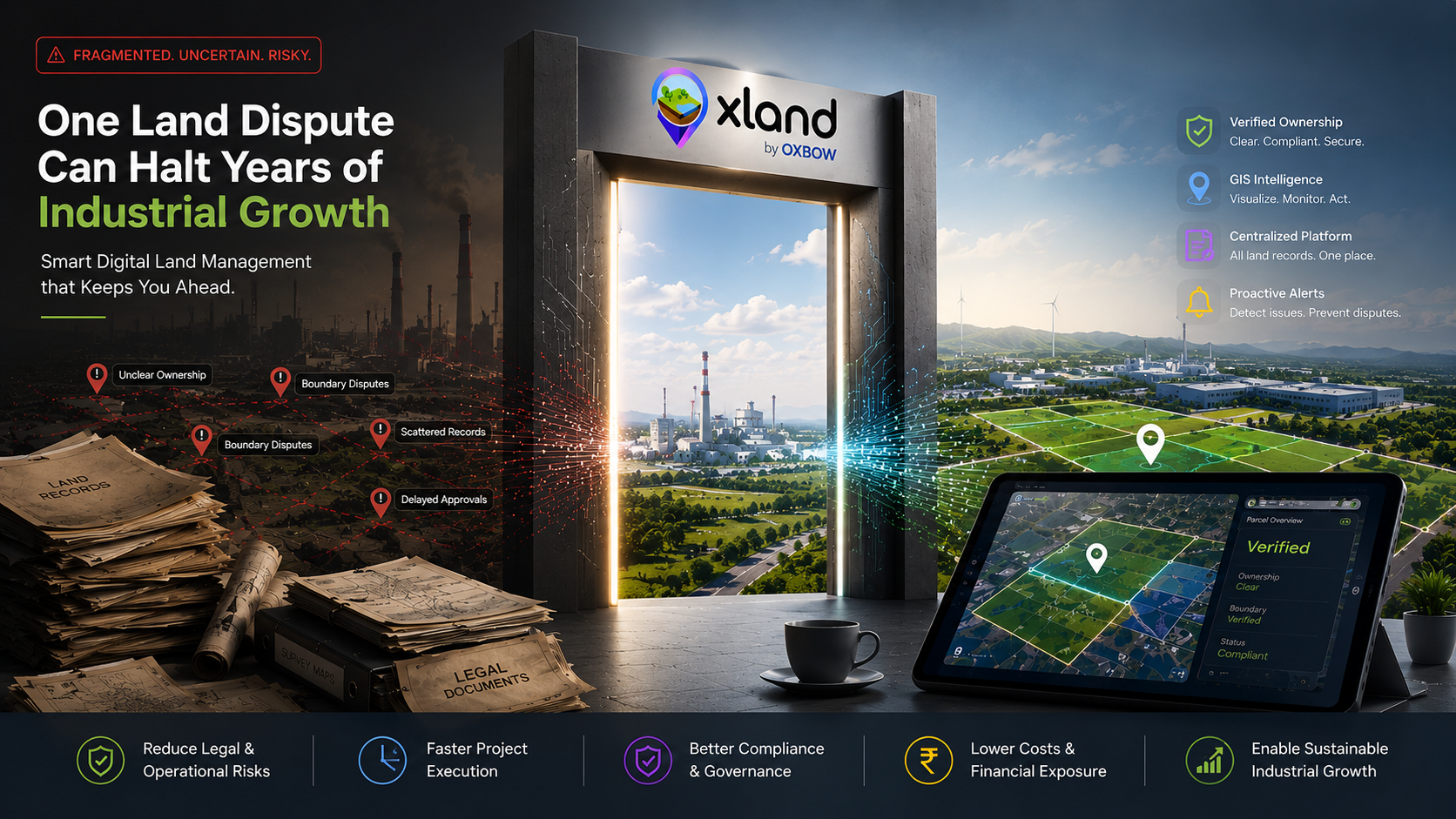
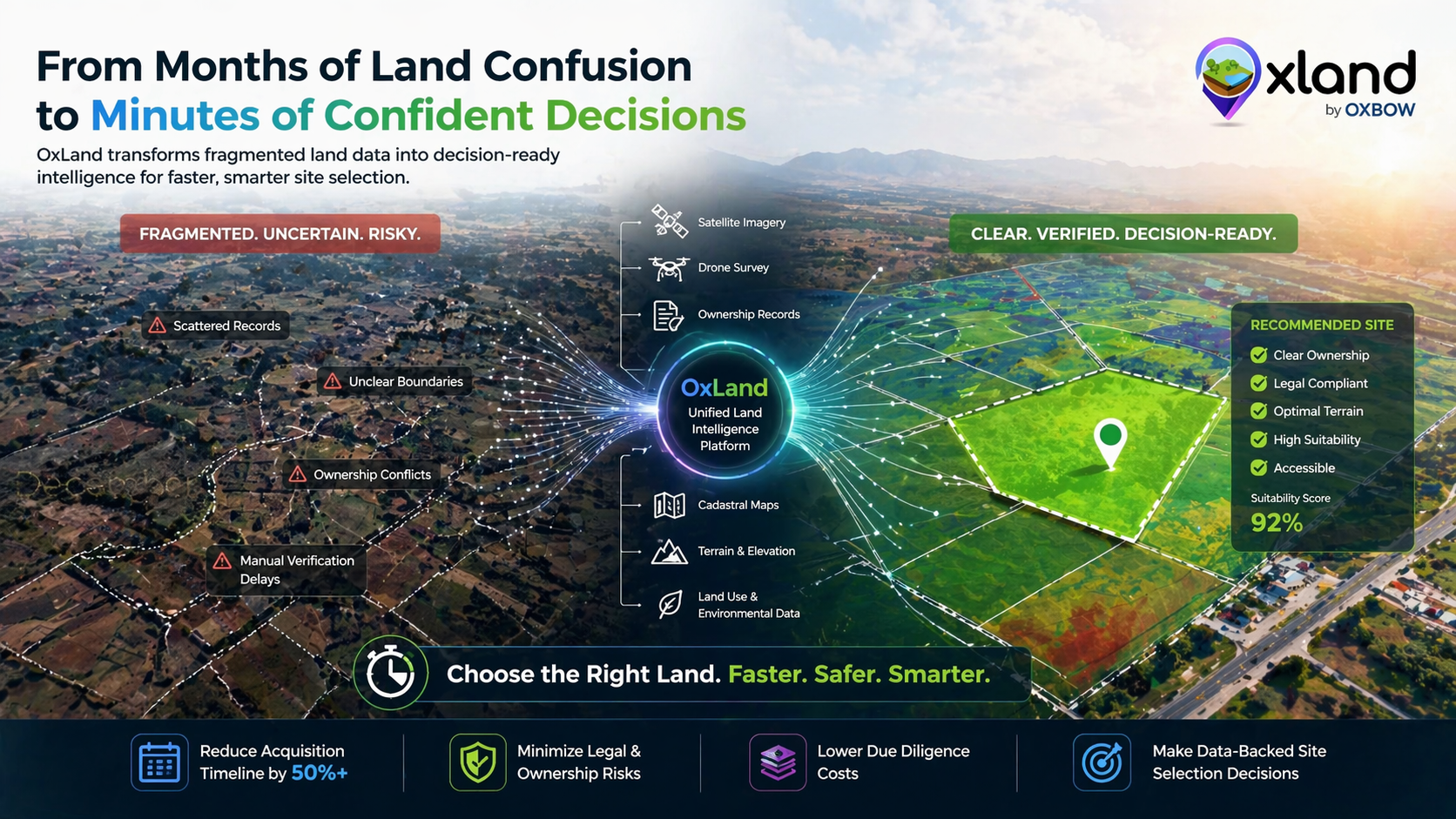
One system built for this purpose is OxLand, developed by Oxbow Intellect. Unlike scattered manual methods, OxLand puts everything in one platform.

With OxLand, an industry can:

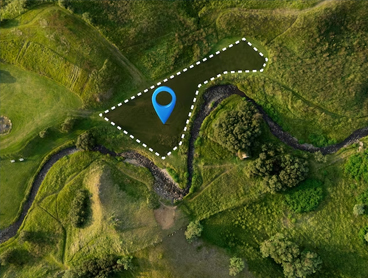
Identify the right parcels of land with GIS-based search.

Store every ownership and approval document digitally.

Track compliance deadlines and avoid penalties.

Watch out for encroachment with monitoring tools.

View all land data in a simple dashboard.

It basically reduces the guesswork. For industries investing hundreds of crores, this can mean saving years of delay and huge amounts of money.

Why India Needs It More

India has countless examples of stalled projects due to land issues. Big power plants, steel projects, and highways have been delayed or scrapped because of disputes. According to estimates, land disputes are behind a significant portion of pending cases in Indian courts.

With new industrial corridors and smart cities coming up, the demand for land is only going to rise. If industries continue to depend on old manual systems, the risks will multiply. A comprehensive Land Management system like OxLand fits naturally with the government’s Digital India vision. It also builds trust with communities because everything is recorded and transparent.

Closing Thoughts

For industries, land is not just dirt and boundaries. It is the foundation of growth. Without a clear way to acquire and monitor it, companies lose money, time, and investor confidence.

A Land Acquisition Monitoring system brings order to this messy process. It helps industries stay compliant, avoid disputes, and plan their projects with clarity.Tools like OxLand show that the solution already exists. The only question is: how quickly will industries adopt it? Because every delay in land means a delay in growth.

Leave a Reply

Your email address will not be published. Required fields are marked *

-->
Nov 22,2025

Land is the first requirement for any industry. A factory, a mine, a steel plant, even a simple warehouse—everything starts with land. The irony is, while it looks straightforward on paper, acquiring and managing land is often the hardest part of setting up a project.

Anyone who has tried it knows the pain. Old records that don’t match. Families fighting over ownership. Approvals moving at snail’s pace. Middlemen hiking prices the moment they hear an industry is interested. And even after you get the land, you’re never fully at peace—encroachments, disputes, and legal notices keep coming back.

This is exactly why industries now look at Land Acquisition management and monitoring systems. It’s not about fancy technology; it’s about reducing uncertainty.

The Ground Reality

Take a typical case: an industrial project in eastern India. The company plans to acquire 500 acres. It sends a team to verify ownership. The land records are in three different offices. One office has maps, another has khata numbers, the third has updated transfers. By the time all this is stitched together, months are gone.

And just when the deal is about to close, word spreads in the market. Prices shoot up overnight. Some locals file objections. Suddenly, what looked like a three-month process turns into a three-year headache.

This is not rare. It is the norm. Which is why industries desperately need a Land Acquisition Monitoring system.

Why Monitoring is Key

The truth is, buying land is only half the battle. Keeping track of it is just as important. Without monitoring, companies risk:

Losing land to encroachments.

Getting stuck in disputes they never expected.

Paying more than what the land is worth.

Forgetting compliance deadlines.

A monitoring system solves this by giving one place to see everything—ownership history, approvals, maps, usage, payments. No running from one office to another.

How Technology is Helping

Earlier, land was managed with files, site visits, and local knowledge. Today, industries have access to:

GIS maps that show boundaries clearly.

Drone surveys for accurate data.

Digital records that can’t be “lost” or tampered with.

Alerts that remind companies about compliance and lease renewals.

Dashboards where decision-makers can see the full picture

This isn’t about replacing people—it’s about making their job simpler and faster.

OxLand – A Working Example

One system built for this purpose is OxLand, developed by Oxbow Intellect. Unlike scattered manual methods, OxLand puts everything in one platform.

With OxLand, an industry can:

Identify the right parcels of land with GIS-based search.

Store every ownership and approval document digitally.

Track compliance deadlines and avoid penalties.

Watch out for encroachment with monitoring tools.

View all land data in a simple dashboard.

It basically reduces the guesswork. For industries investing hundreds of crores, this can mean saving years of delay and huge amounts of money.

Why India Needs It More

India has countless examples of stalled projects due to land issues. Big power plants, steel projects, and highways have been delayed or scrapped because of disputes. According to estimates, land disputes are behind a significant portion of pending cases in Indian courts.

With new industrial corridors and smart cities coming up, the demand for land is only going to rise. If industries continue to depend on old manual systems, the risks will multiply. A comprehensive Land Management system like OxLand fits naturally with the government’s Digital India vision. It also builds trust with communities because everything is recorded and transparent.

Closing Thoughts

For industries, land is not just dirt and boundaries. It is the foundation of growth. Without a clear way to acquire and monitor it, companies lose money, time, and investor confidence.

A Land Acquisition Monitoring system brings order to this messy process. It helps industries stay compliant, avoid disputes, and plan their projects with clarity.Tools like OxLand show that the solution already exists. The only question is: how quickly will industries adopt it? Because every delay in land means a delay in growth.

Love the article, spread it!

© Oxbow Intellect. 2026 All Rights Reserved
Oxbow Assist Online

Hello! Please fill out the form below and our Geospatial AI team will contact you via email shortly.